by |
AWS CUR 2.0 Setup Guide: Export Cost and Usage Data to S3
Learn how to set up AWS Data Exports using CUR 2.0 to send detailed cost and usage data to Amazon S3 for reporting and analysis. This guide covers the full setup process, including selecting the export type, configuring CUR 2.0, choosing Parquet format, setting up the S3 bucket and prefix, and preparing the data for Athena and BI tools. It also explains why AWS Data Exports is now a better choice than legacy Cost and Usage Reports for modern cloud cost monitoring.
by |
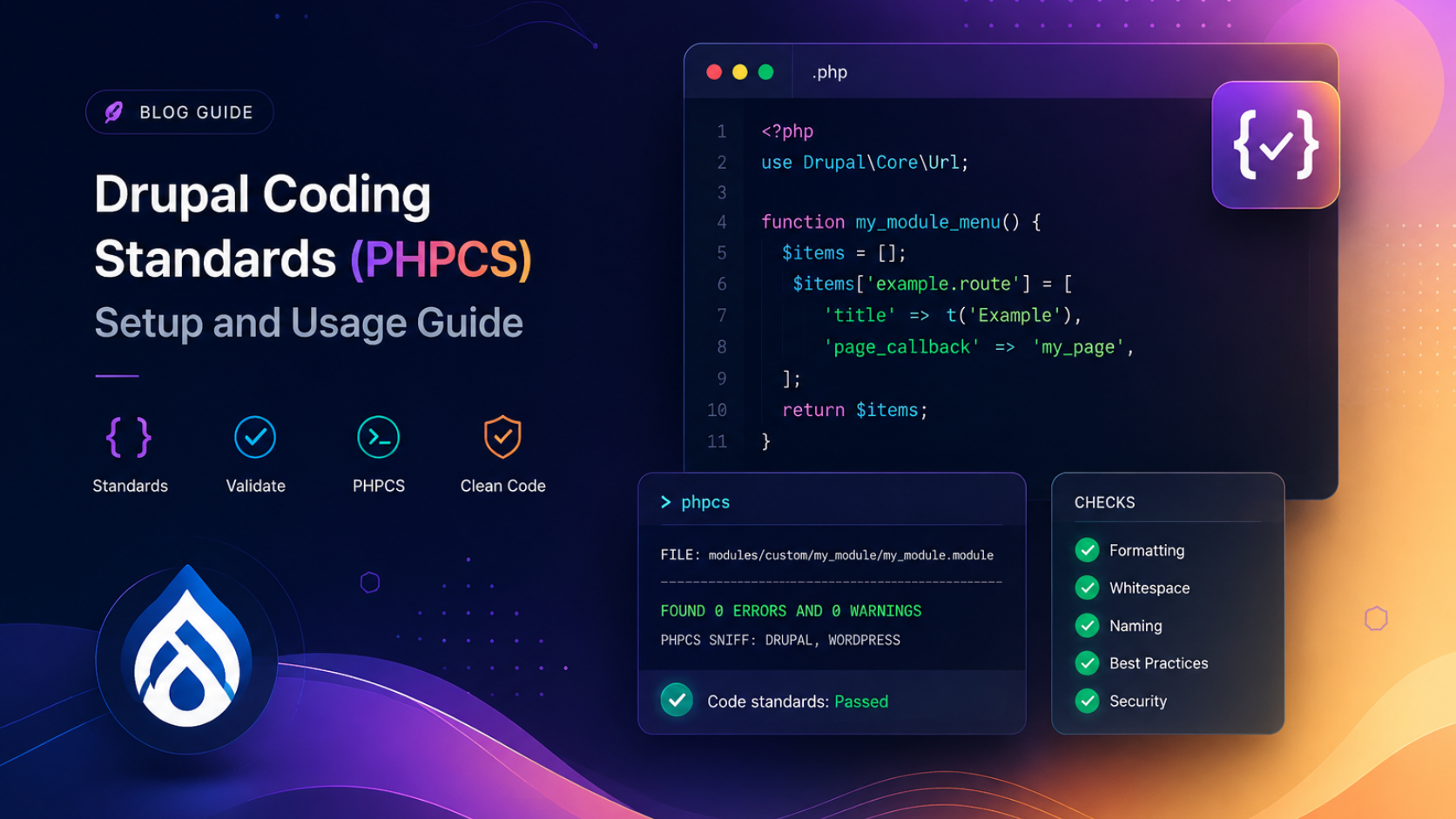
Drupal Coding Standards (PHPCS) Setup and Usage Guide
This blog explains how to set up and use Drupal Coding Standards with PHP CodeSniffer (PHPCS) in a Drupal project. It covers installing the required packages, configuring PHPCS, running code checks, auto-fixing issues with PHPCBF, and understanding common errors and warnings. The guide also highlights best practices for maintaining clean, consistent, and Drupal-ready code, making it useful for both team development and Drupal.org contributions.
by |
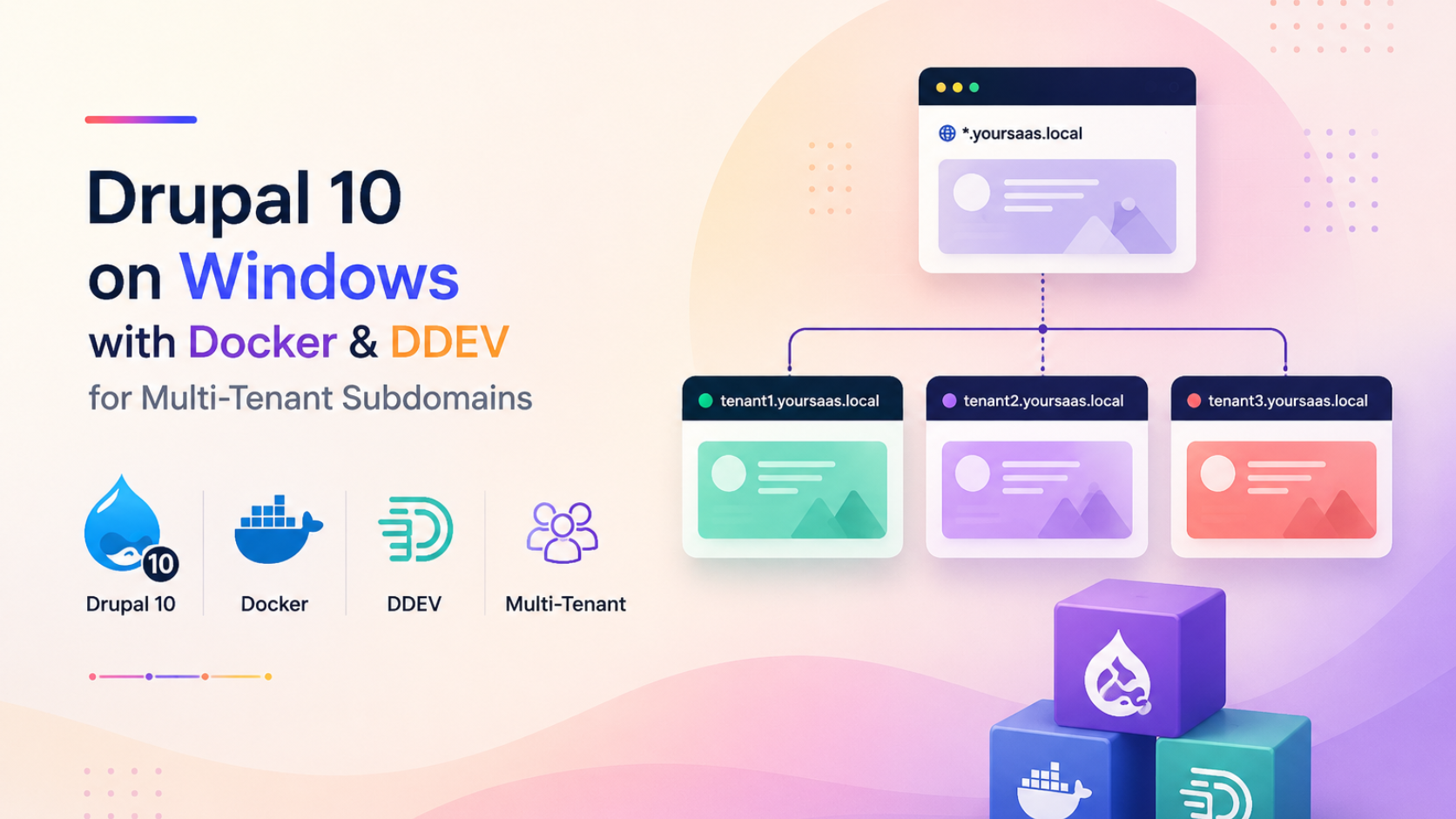
Drupal 10 on Windows with Docker and DDEV for Multi-Tenant Subdomains
This guide walks through setting up a modern Drupal 10 development environment on Windows using Docker and DDEV. It covers installing the required tools, configuring a Drupal project, importing an existing database, and enabling wildcard subdomains for multi-tenant setups. By replacing traditional tools like XAMPP with container-based development, the setup becomes more consistent, scalable, and easier to manage—especially for SaaS applications that rely on subdomain-based tenant architecture.
by |
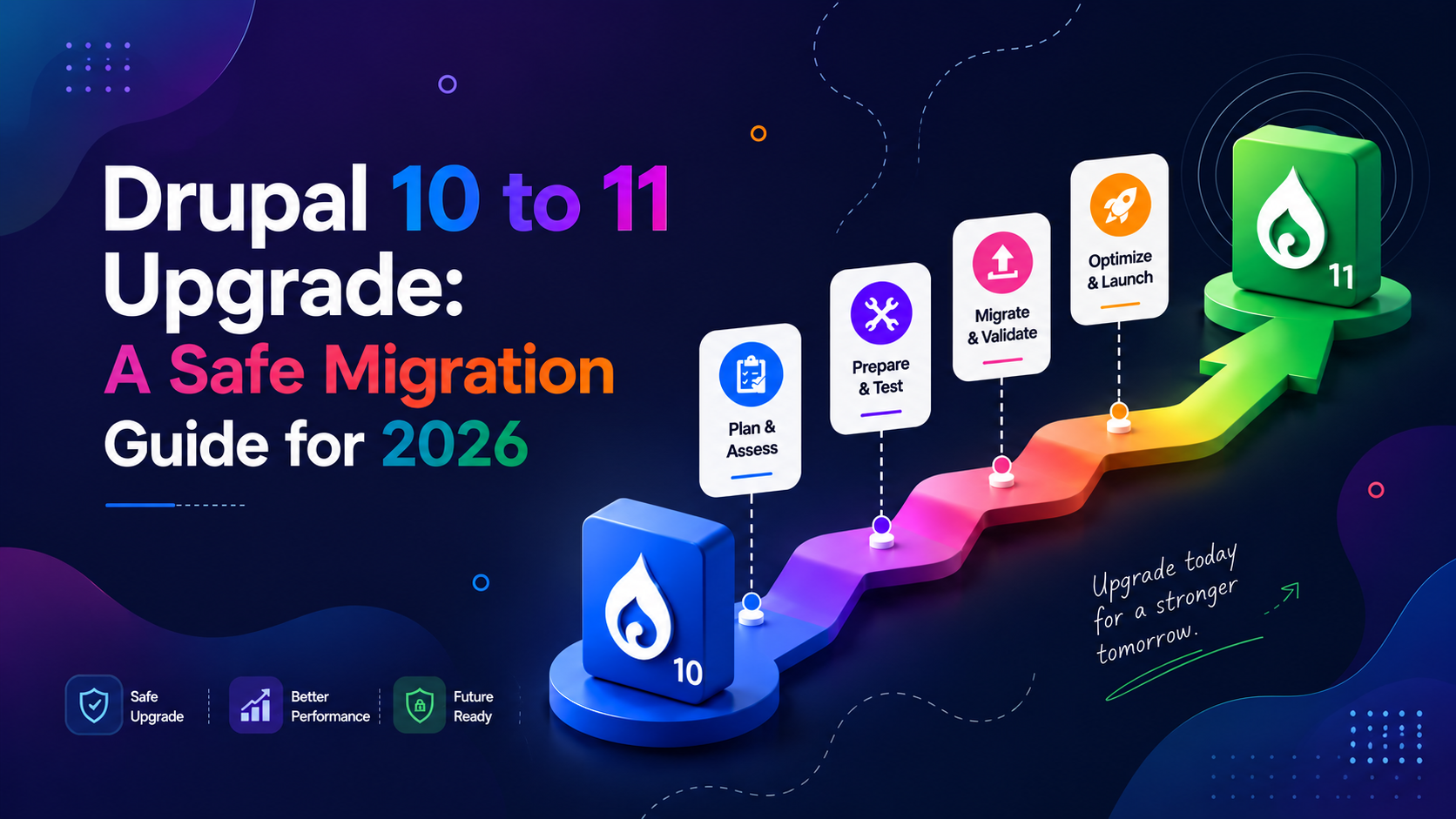
Drupal 10 to 11 Upgrade: A Safe Migration Guide for 2026
Upgrading your website from one major Drupal version to the next can be technical and overwhelming if you don’t plan it well. However, with the right guidance and a clear Drupal 10 to 11 upgrade strategy, you can transition smoothly without breaking your site. In 2026, this upgrade is crucial as Drupal 10 approaches end-of-life and new features and performance improvements in Drupal 11 make it a future-proof choice. In this guide, you’ll learn how to safely upgrade Drupal, understand the Drupal 11 upgrade checklist, and follow a structured Drupal upgrade process 2026 to minimize downtime and risk.
by |
How Regular Updates Strengthen Drupal Website Security
Drupal websites are widely trusted by enterprises, government organizations, and growing businesses because of their flexibility and strong security framework. However, security is not a one-time setup. To keep Drupal websites protected against evolving cyber threats, regular updates play a critical role.Within the first few weeks of launching a site, new vulnerabilities may already exist in outdated code. This is why drupal security and timely updates are essential. Regular updates help close security gaps, prevent unauthorized access, and ensure Drupal websites remain reliable, compliant, and safe for users.In this blog, we’ll explore how regular updates strengthen Drupal website security, why they matter, and how businesses benefit from a proactive update strategy.
by |
Must-Have Drupal Security Modules for a Safer Website
Drupal Security is no longer optional-it is a necessity for any organization running a modern website. As cyber threats continue to evolve, Drupal site owners must take proactive steps to protect their digital assets, user data, and brand reputation. Fortunately, Drupal’s powerful ecosystem offers specialized security modules that significantly strengthen site security and overall web security.In this guide, you’ll learn how to secure Drupal sites using the right modules, understand common security vulnerabilities, and apply best practices that align with enterprise-grade security needs. Whether you manage a business website, government portal, or content-heavy platform, this blog will help you build a safer Drupal environment.
by |
Drupal Security Risks Explained & How to Eliminate Them
Drupal Security plays a critical role in protecting modern websites from cyber threats, data breaches, and service disruptions. Drupal is widely trusted by governments, enterprises, educational institutions, and healthcare organizations because of its robust framework. However, even a strong CMS can become vulnerable if security risks are ignored.In today’s threat landscape, understanding top security risks and knowing how to address them is essential to maintain website security. This guide explains common Drupal security risks, why they occur, and—most importantly—how to eliminate them effectively while keeping your site stable, compliant, and secure.
by |
How Caching Boosts Drupal Website Speed & Performance
In today’s fast-paced digital world, users expect websites to load instantly. Even a one-second delay can reduce conversions, increase bounce rates, and impact search rankings. This is where Drupal website speed becomes a critical factor for success. One of the most effective ways to improve speed and deliver a smooth user experience is through caching.Caching is a powerful technique that reduces server load, improves response time, and enhances overall website performance. When implemented correctly, it plays a vital role in Drupal speed optimization and ensures your site can handle traffic efficiently.In this blog, we’ll explore how caching works, why it matters, and how it significantly improves website load time and performance.
by |
Top Drupal Modules That Boost Website Performance & Speed
A fast website is no longer optional. For any Drupal website, speed directly affects user experience, search rankings, and conversions. One of the biggest advantages of Drupal is its flexibility, powered by powerful Drupal Modules that help improve caching, loading time, and overall site performance.In this blog, we explore the top Drupal Modules that boost website performance, explain how they work, and show how they improve website speed, scalability, and stability.Website performance plays a critical role in SEO and user satisfaction. Visitors expect pages to load quickly.
by |
Top Industries That Benefit Most from Drupal Websites
Choosing a powerful content management system is critical for businesses aiming to build scalable, secure, and future-ready digital experiences. Drupal websites continue to stand out as a leading solution for organizations across many industries due to their flexibility, enterprise-level capabilities, and strong community support. In this blog, we’ll explore which sectors benefit the most from Drupal and why this platform is often the go-to choice for demanding digital environments.Whether you’re considering a Drupal website development project or exploring Drupal for enterprises, this guide is tailored to help you understand how different industries leverage the strengths of Drupal to drive online success.